
Data Brokers Exposed: 7 Mistakes You're Making with Your Digital Footprint (and How to Fix Them)
Updated: Oct 30, 2025
Data brokers are quietly harvesting and monetizing your personal information every single day. These companies compile comprehensive profiles about you: including your location history, shopping preferences, financial data, and even information about your family members: then sell this intelligence to advertisers, insurers, employers, and other third parties without your explicit consent.
The scope of this industry is staggering. Your personal data could be worth over $1,000 annually to these brokers, who maintain detailed profiles on virtually every American adult. Even more concerning, research shows that 99.98% of Americans can be re-identified from supposedly "anonymous" datasets using just 15 demographic attributes.
Most people unknowingly make critical mistakes that amplify their exposure to data brokers, increasing their vulnerability to identity theft, financial fraud, and privacy violations. Understanding these mistakes and implementing targeted countermeasures can significantly reduce your digital risk profile.
Mistake #1: Ignoring Data Broker Removal Completely
The most fundamental error is simply not knowing that data brokers exist or failing to take action once you discover them. These companies continuously collect and aggregate your personally identifiable information from public records, social media, purchase histories, and countless other sources.
Your information appears on people-search websites like Spokeo, PeopleFinder, and WhitePages, where anyone can access your home address, phone numbers, family members' names, and employment history for a small fee.
How to Fix It: Start by searching for yourself on major people-search sites and submit removal requests. However, manual removal is time-intensive and often ineffective since data regenerates quickly from new sources. Consider automated removal services that continuously monitor and remove your information from hundreds of data broker sites. These services can reduce your exposure significantly, though complete eradication is impossible due to the persistent nature of data collection.
Mistake #2: Using Weak Password Security
Reusing passwords across multiple accounts creates cascading vulnerabilities. When one service experiences a data breach, cybercriminals can use those credentials to access all your other accounts. This credential stuffing technique is responsible for millions of successful account takeovers annually.

Many people also use easily guessable passwords based on personal information that data brokers already have: birth dates, pet names, addresses, or family members' names that appear in public records.
How to Fix It: Implement unique, complex passwords for every account. Use a reputable password manager to generate and securely store these credentials. Enable two-factor authentication wherever available, preferably using authenticator apps rather than SMS, which can be intercepted through SIM swapping attacks.
Mistake #3: Leaving Financial Data Unprotected
Financial accounts represent high-value targets for cybercriminals. Basic security measures like simple PINs without additional authentication layers make you vulnerable to account takeovers, unauthorized credit applications, and direct financial theft.
Data brokers often possess enough information about you to answer common security questions used by financial institutions: your mother's maiden name, childhood address, or first pet's name may all be available in compiled profiles.
How to Fix It: Freeze your credit reports with all three major bureaus (Experian, Equifax, and TransUnion). Lock your Social Security Number through E-Verify to prevent unauthorized use. Enable fraud alerts and real-time transaction notifications for all financial accounts. Replace security questions with non-obvious answers that aren't related to publicly available information about you.
Mistake #4: Maintaining Public Social Media Profiles
Social media platforms are goldmines for data brokers. Public profiles expose vast amounts of personal information that can be compiled into comprehensive behavioral profiles. Your posts, photos, check-ins, connections, and interactions create detailed maps of your preferences, relationships, and daily routines.
Even privacy-conscious users often overlook secondary exposure through tagged photos, friend connections, and location data that other users share about them.
How to Fix It: Review privacy settings on all social media accounts and restrict public visibility. Limit friend connections to people you actually know. Disable location tracking and geotagging features. Regularly audit tagged photos and posts where others mention you. Consider limiting the personal information in your bio sections and avoid sharing sensitive details like full birth dates or current locations.
Mistake #5: Failing to Monitor Your Digital Presence
Most people have no idea what information about them exists online. Without regular monitoring, identity theft, reputation damage, and data misuse can persist for months or years before detection.
Data brokers continuously update their profiles with new information, so a single cleanup effort provides only temporary protection. Your digital footprint requires ongoing management to maintain reasonable privacy levels.
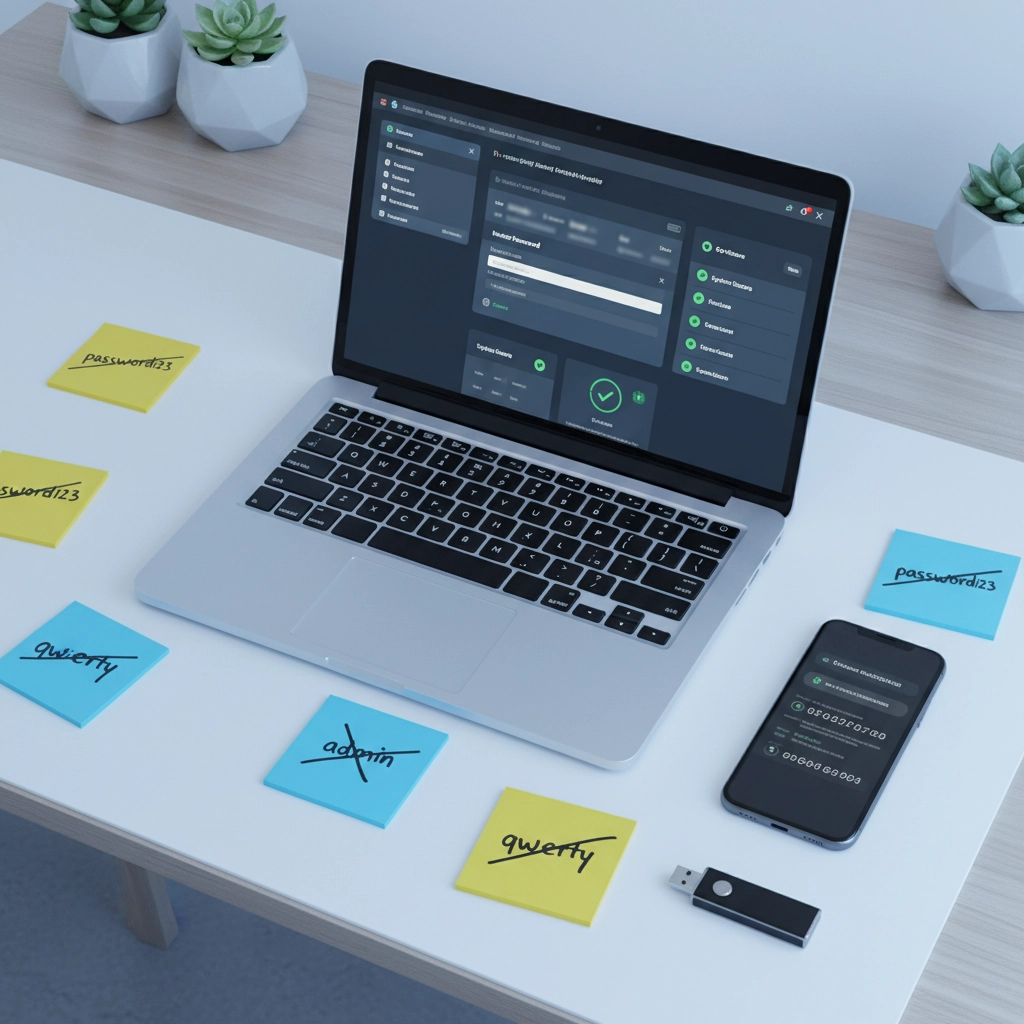
How to Fix It: Conduct monthly searches for your name, email addresses, phone numbers, and other personal identifiers. Set up Google Alerts for your name and key personal information to receive notifications when new content appears online. Use identity monitoring services that provide real-time alerts about potential threats and data exposure across the dark web and other sources.
Mistake #6: Granting Excessive App Permissions
Mobile applications routinely request access to data far beyond what they need to function. Location apps, social media platforms, and even flashlight applications often demand access to contacts, camera, microphone, and location data.
Companies like Life360 have generated millions in revenue by selling detailed location data, including information about minors, to data broker networks. Every permission you grant creates additional data streams that brokers can purchase and correlate with other information sources.
How to Fix It: Audit app permissions on all devices and revoke unnecessary access. Before installing new apps, carefully review requested permissions and deny those that seem excessive. Use privacy-focused browser extensions to block tracking cookies and cross-site data collection. Consider using a VPN to mask your IP address and location, especially on public networks.
Mistake #7: Trusting "Anonymized" or "De-identified" Data
Many people believe that if companies claim to anonymize or de-identify their data, they're protected from privacy violations. This assumption is dangerously false. Modern re-identification techniques can connect supposedly anonymous datasets to specific individuals with remarkable accuracy.
Research demonstrates that combining just a few data points: gender, age range, zip code, and a few behavioral indicators: can uniquely identify most Americans. Data brokers excel at correlating information from multiple sources to build complete profiles even when individual datasets are partially anonymized.
How to Fix It: Assume that any data you share online can eventually be traced back to you. Minimize the amount of personal information you provide to websites and services. Be especially cautious about sharing precise location data, detailed demographic information, and behavioral patterns. When possible, use privacy-focused alternatives for common services and carefully review privacy policies to understand how your data will be used and shared.
Taking Control of Your Digital Privacy
Data brokers represent a fundamental threat to personal privacy and security in the digital age. Your personal information is already being collected, compiled, and sold: often without your knowledge or meaningful consent. However, by addressing these seven critical mistakes, you can significantly reduce your exposure and regain meaningful control over your personal data.
Start with the most impactful changes: secure your financial accounts, audit your social media privacy settings, and begin monitoring your digital presence. Then move toward more comprehensive solutions like automated data removal services and enhanced security measures across all your digital accounts.
The data broker industry profits from consumer apathy and ignorance. By taking preventative action and maintaining ongoing vigilance, you can protect yourself from the worst privacy violations while preserving your ability to participate in the digital economy on your own terms.
For organizations seeking comprehensive cybersecurity solutions that address both technical vulnerabilities and human factors in data protection, Engaged Security Partners provides expert guidance on managing digital risk in today's complex threat landscape.
Comments